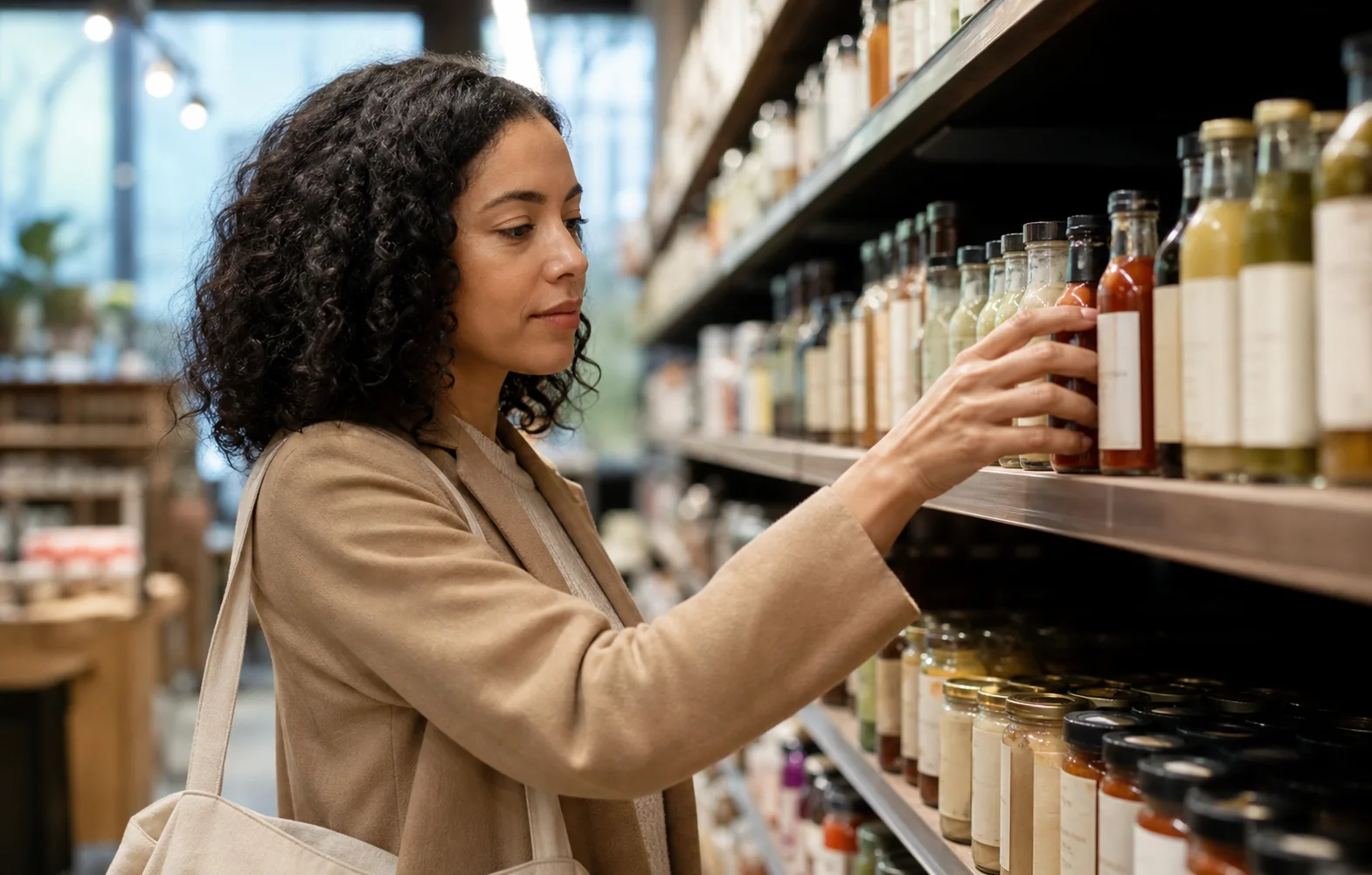
Who the shopper is
The person standing in front of the shelf is not always the person who eats, drinks, or uses the product. Insight starts with naming both.
Shopper insights · consumer behavior · decision research
ShopperInsights.org educates brands on the importance of shopper and consumer insights — who their customers are, how they make purchasing decisions, and how to use behavioral evidence to guide product, marketing, and retail choices.

The fundamentals
Understanding customers means treating shoppers and consumers as separate, related questions. Brands need four frames before commissioning a single research dollar.
The person standing in front of the shelf is not always the person who eats, drinks, or uses the product. Insight starts with naming both.
Decisions blend habit, price, packaging, occasion, and social cues. Behavioral evidence — not stated preference alone — is what reveals the real driver.
In-aisle, online, club, convenience, and quick-commerce shopping are different decision environments. The same shopper makes different choices in each.
Insight is a system, not a study. It runs continuously across product development, marketing, and retail execution — feeding decisions back into the next round of research.
“A shopper is not a consumer in a smaller font. The decision to pick up a pack on the shelf is a different decision than the decision to consume it at home — and brands that confuse the two design for neither.”
Conzumables Network · shopper insights
By the numbers
Operators we map against
The panel below cross-references the operators and frameworks this working paper draws evidence from — curriculum partners first, then the fundamentals reviewed in § 1.
Methods that matter
Most credible insight programs combine several methods. Each one answers a different kind of question — and none of them, alone, is enough.
Scaled questionnaires that test claims, segment audiences, and benchmark perception against competitors over time.
Depth conversations and focus groups that surface language, emotion, and the unspoken logic behind a purchase.
Loyalty cards, household panels, and basket-level data that reveal what shoppers actually do — not only what they say.
In-store ethnography, eye-tracking, and shop-along studies that read the aisle as the shopper experiences it.
Pre-launch testing of names, packaging, claims, and product itself — measured against intent and willingness to pay.
Search trends, review mining, and social listening that turn the open web into a continuous voice-of-shopper feed.
Insight stack
A research study without a decision is overhead. A decision without research is gambling. The right insight program reads four layers and connects them.
Consumer · shopper · decision · activation insight.ShopperInsights.org sits across product development, marketing, and retail execution — the layer that turns customer evidence into the next decision the team has to make.
Who uses the product, in what occasion, and why they keep coming back — the foundation for product and brand work.
How the same person behaves in the aisle or on a digital storefront — the foundation for packaging, pricing, and merchandising.
The moment of choice itself — what tipped the shopper toward one SKU, one pack size, or one channel over another.
Post-decision evidence that closes the loop — feeding actual results back into the next round of product, marketing, and retail planning.
Practical process
Start with the choice the team has to make — assortment, pack, pricing, claim, channel — not the research method. The decision sets the brief.
Match method to question. Behavioral data for what shoppers do; qualitative for why; quantitative for how many; observation for where.
Sample to the decision, not to a vanity number. Run pilots, watch for bias, and document what the study can and cannot answer.
Insight is not a deck. Convert findings into product, marketing, and retail decisions — with named owners and a date the change ships.
Track what the decision changed in the market. Feed the result back into the insight program so the next study starts from evidence, not assumption.
Step 5 returns to Step 1 — the loop runs continuously, not once.
Curriculum links
The Conzumables hub — where shopper and consumer education lives alongside the wider CPG enablement curriculum.
conzumables.comWhere insight-led decisions about promotion, pricing, and retail investment get planned, executed, and reconciled.
tradespend.orgThe category lens — how shopper insight feeds assortment, planogram, and category role decisions at retail.
categorymanagement.orgGet the framework
Send your category, the decisions you need to make in the next two quarters, and the research you already have on file. The curriculum team returns a method-mix recommendation, a brief template, and a decision-tracking framework.
Email the curriculum teamShopperInsights.org educates brands on the importance of shopper and consumer insights, helping them understand who their customers are and how they make purchasing decisions. It provides guidance on using data and behavioral insights to drive product development, marketing strategies, and retail success.